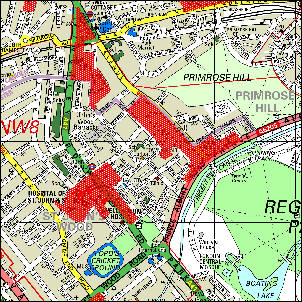
|
Category |
Group |
Type Number |
Type Name |
% GB Households |
|
Thriving |
Wealthy Achievers, Suburban Areas |
1 |
Wealthy Suburbs, Large Detached Houses |
2.2 |
|
2 |
Villages with Wealthy Commuters |
2.8 |
|
3 |
Mature Affluent Home Owning Areas |
2.7 |
|
4 |
Affluent Suburbs, Older Families |
3.4 |
|
5 |
Mature, Well-Off Suburbs |
2.9 |
|
Affluent Greys, Rural Communities |
6 |
Agricultural Villages, Home Based Workers |
1.5 |
|
7 |
Holiday Retreats, Older People, Home Based Workers |
0.7 |
|
Prosperous Pensioners, Retirement Areas |
8 |
Home Owning Areas, Well-Off Older Residents |
1.5 |
|
9 |
Private Flats, Elderly People |
1.3 |
|
Expanding |
Affluent Executives, Family Areas |
10 |
Affluent Working Families with Mortgages |
1.8 |
|
11 |
Affluent Working Couples with Mortgages, New Homes |
1.3 |
|
12 |
Transient Workforces, Living at their Place of Work |
0.3 |
|
Well-Off Workers, Family Areas |
13 |
Home Owning Family Areas |
2.5 |
|
14 |
Home Owning Family Areas, Older Children |
2.6 |
|
15 |
Families with Mortgages, Older Children |
1.9 |
|
Rising |
Affluent Urbanites, Town and City Areas |
16 |
Well-Off Town and City Areas |
1.1 |
|
17 |
Flats and Mortgages, Singles and Young Working Couples |
0.9 |
|
18 |
Furnished Flats and Bedsits, Younger Single People |
0.5 |
|
Prosperous Professionals, Metropolitan Areas |
19 |
Apartments, Young Professional Singles and Couples |
1.4 |
|
20 |
Gentrified Multi-Ethnic Areas |
1.1 |
|
Better-Off Executives, Inner City Areas |
21 |
Prosperous Enclaves, Highly Qualified Executives |
0.9 |
|
22 |
Academic Centres, Students and Young Professionals |
0.6 |
|
23 |
Affluent City Centre Areas, Tenements and Flats |
0.7 |
|
24 |
Partially Gentrified Multi-Ethnic Areas |
0.8 |
|
25 |
Converted Flats and Bedsits, Single People |
1.0 |
|
Settling |
Comfortable Middle Agers, Mature Home Owning Areas |
26 |
Mature Established Home Owning Areas |
3.4 |
|
27 |
Rural Areas, Mixed Occupations |
3.4 |
|
28 |
Established Home Owning Areas |
3.9 |
|
29 |
Home Owning Areas, Council Tenants, Retired People |
3.0 |
|
Skilled Workers, Home Owning Areas |
30 |
Established Home Owning Areas, Skilled Workers |
4.3 |
|
31 |
Home Owners in Older Properties, Younger Workers |
3.2 |
|
32 |
Home Owning Areas with Skilled Workers |
3.3 |
|
Aspiring |
New Home Owners, Mature Communities |
33 |
Council Areas, Some New Home Owners |
3.7 |
|
34 |
Mature Home Owning Areas, Skilled Workers |
3.3 |
|
35 |
Low Rise Estates, Older Workers, New Home Owners |
2.9 |
|
White Collar Workers, Better-Off Multi-Ethnic Areas |
36 |
Home Owning Multi-Ethnic Areas, Young Families |
1.0 |
|
37 |
Multi-Occupied Town Centres, Mixed Occupations |
2.0 |
|
38 |
Multi-Ethnic Areas, White Collar Workers |
1.0 |
|
Striving |
Older People, Less Prosperous Areas |
39 |
Home Owners, Small Council Flats, Single Pensioners |
2.3 |
|
40 |
Council Areas, Older People, Health Problems |
2.1 |
|
Council Estate Residents, Better-Off Homes |
41 |
Better-Off Council Areas, New Home Owners |
2.0 |
|
42 |
Council Areas, Young Families, Some New Home Owners |
2.7 |
|
43 |
Council Areas, Young Families, Many Lone Parents |
1.6 |
|
44 |
Multi-Occupied Terraces, Multi-Ethnic Areas |
0.7 |
|
45 |
Low Rise Council Housing, Less Well-Off Families |
1.8 |
|
46 |
Council Areas, Residents with Health Problems |
2.1 |
|
Council Estate Residents, High Unemployment |
47 |
Estates with High Unemployment |
1.3 |
|
48 |
Council Flats, Elderly People, Health Problems |
1.1 |
|
49 |
Council Flats, Very High Unemployment, Singles |
1.2 |
|
Council Estate Residents, Greatest Hardship |
50 |
Council Areas, High Unemployment, Lone Parents |
1.5 |
|
51 |
Council Flats, Greatest Hardship, Many Lone Parents |
0.9 |
|
People in Multi-Ethnic, Low-Income Areas |
52 |
Multi-Ethnic, Large Families, Overcrowding |
0.5 |
|
53 |
Multi-Ethnic, Severe Unemployment, Lone Parents |
1.0 |
|
54 |
Multi-Ethnic, High Unemployment, Overcrowding |
0.3 |